



Red light therapy is a powerful treatment that works by using specific wavelengths of light to interact with the body’s biological processes. It has significant effects on mitochondria, water within cells, tissue repair, hormonal systems, and stress regulation, making it a highly beneficial tool for overall health and wellness.
1. Mitochondrial interaction: Energy production via electrons and protons
Mitochondria, the powerhouses of cells, produce energy through the transport of electrons and protons, which results in the creation of ATP, the body’s energy currency.
- Electron Transport
Red light therapy activates cytochrome c oxidase, boosting electron flow and enhancing ATP production while minimizing energy loss through heat or harmful reactive oxygen species (ROS). - Proton Gradient
The proton gradient, which acts like a battery, is strengthened by red light, leading to more efficient energy production. - Protection from Oxidative Stress
Red light improves mitochondrial efficiency, balancing ATP production with the neutralization of oxidative stress and harmful molecules.
In fact, red light therapy works even in winter, as infrared light (which makes up 42% of sunlight) continues to support our energy production.
2. Cellular sffects: Light and water interaction
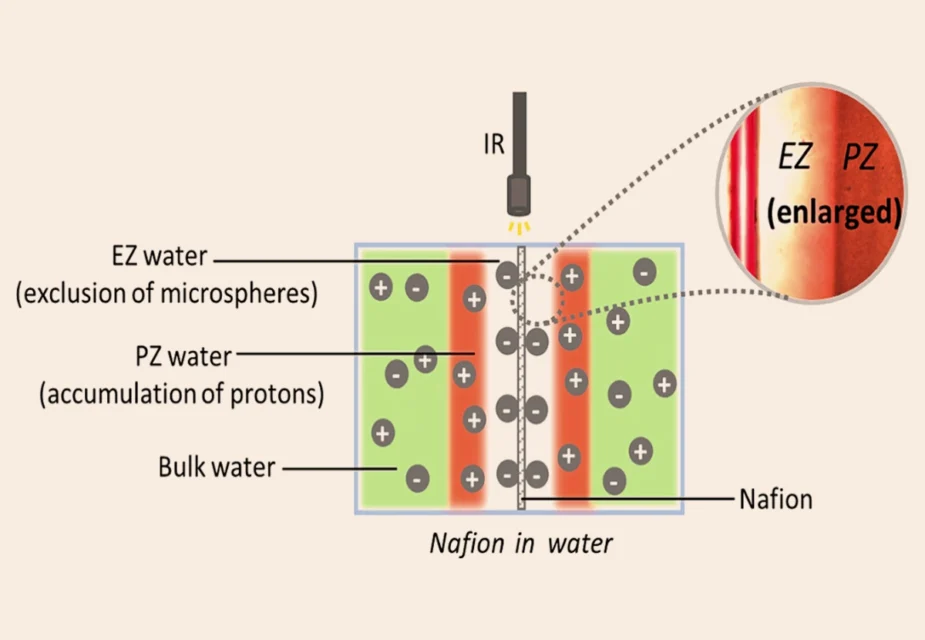
Red light therapy doesn’t only work through mitochondria but also affects the water in our cells, which is crucial for cellular structure and function.
- Exclusion Zone Water
Water in cells forms a gel-like structure around cell membranes, and red light enhances its energy-storing properties, aiding cellular repair and communication. - Water as a Light Receiver
Water in cells absorbs red light, facilitating ion flow, stabilizing membranes, and enhancing the efficiency of cellular communication.
This combination of light and water helps cells regenerate faster and more effectively.
3. Tissue repair influence
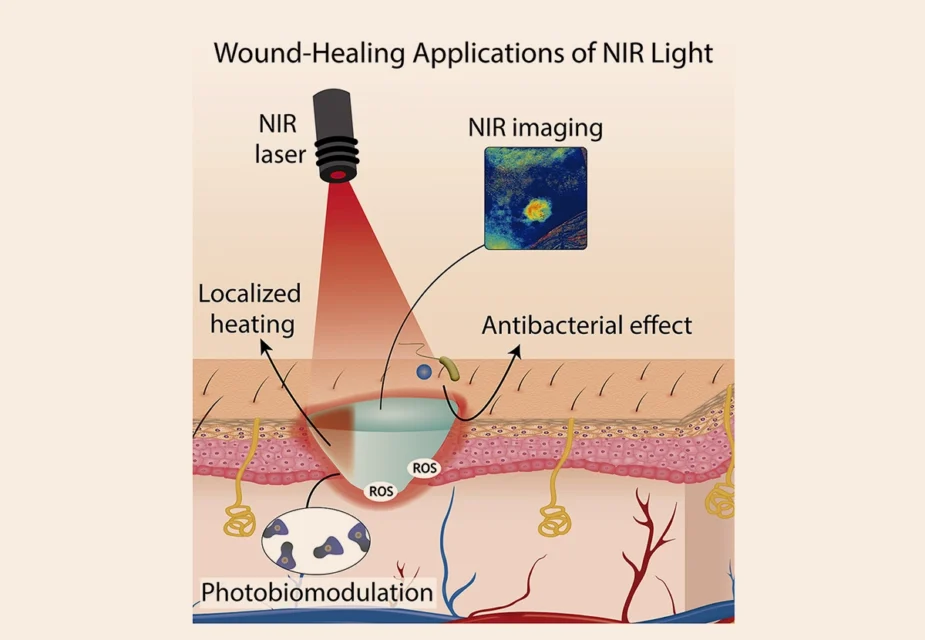
Red light therapy penetrates deeply into tissues, promoting mitochondrial activity and increasing ATP production, which enhances tissue repair.
- Fibroblast Stimulation
Red light stimulates fibroblasts, which are responsible for producing collagen and elastin, essential for forming new connective tissue. - Angiogenesis Improvement
Red light therapy promotes the growth of new blood vessels, supporting the delivery of nutrients and oxygen to damaged tissues. - Reduced Oxidative Stress
By reducing ROS, red light helps prevent inflammation and cellular damage. - Stem Cell Activation
Red light accelerates stem cell migration, contributing to faster and more complete tissue regeneration.
These mechanisms make red light therapy effective for treating wounds, burns, muscle injuries, and conditions like osteoarthritis.
4. Hormonal system effects
The hypothalamus-pituitary-adrenal axis (HPA-axis) regulates our hormone production, and red light therapy affects this axis in several ways.
- Melatonin & Cortisol Regulation
Red light enhances the function of the hypothalamus, improving circadian rhythms, which results in:- Increased melatonin production in the evening for deep, restorative sleep.
- Balanced cortisol levels during the day, ensuring better energy production and stress management.
Additionally, red light supports glands like the thyroid and adrenal glands, improving hormone regulation.
5. Stress hormone regulation
Red light therapy plays a key role in regulating stress hormones such as cortisol and adrenaline.
- Improved Redox Balance: Red light helps reduce oxidative stress in the HPA-axis, ensuring optimal cortisol regulation.
- Parasympathetic Activation: It stimulates the vagus nerve, promoting relaxation and reducing the body’s stress response.
By improving the balance of stress hormones, red light therapy helps reduce inflammation and supports overall health.
6. Thyroid support
The thyroid relies heavily on mitochondrial activity. Red light therapy stimulates mitochondrial function in thyroid cells, resulting in enhanced hormone production and reduced inflammation.
- Thyroid Hormone Production: Red light boosts the production of thyroid hormones like T3 and T4, ensuring better metabolic function.
- Reduced Inflammation: Red light therapy helps alleviate conditions like Hashimoto’s thyroiditis, which is characterized by chronic inflammation.
Consistent use of red light therapy may help improve symptoms of hypothyroidism, such as fatigue, weight gain, and cold intolerance.
7. Reproductive hormones
Red light therapy positively impacts reproductive hormone production by improving mitochondrial function in the hypothalamus and reproductive organs.
- Increased Testosterone in Men: By stimulating Leydig cells, red light promotes testosterone production, which supports fertility, muscle mass, and energy levels.
- Hormonal Balance in Women: Red light helps balance estrogen and progesterone, reducing menstrual and menopausal symptoms.
It also enhances blood flow to reproductive organs, making it a valuable tool for improving fertility and hormonal health.
Conclusion
Red light therapy is a remarkable treatment that leverages the power of light to interact with key biological processes in the body. From enhancing mitochondrial function and tissue repair to regulating hormones and stress responses, red light therapy offers a broad range of health benefits. Whether you’re seeking relief from chronic pain, looking to improve your sleep and energy levels, or enhance your skin’s appearance, red light therapy presents a natural and effective solution to support your body’s healing processes.


